What a template cannot know
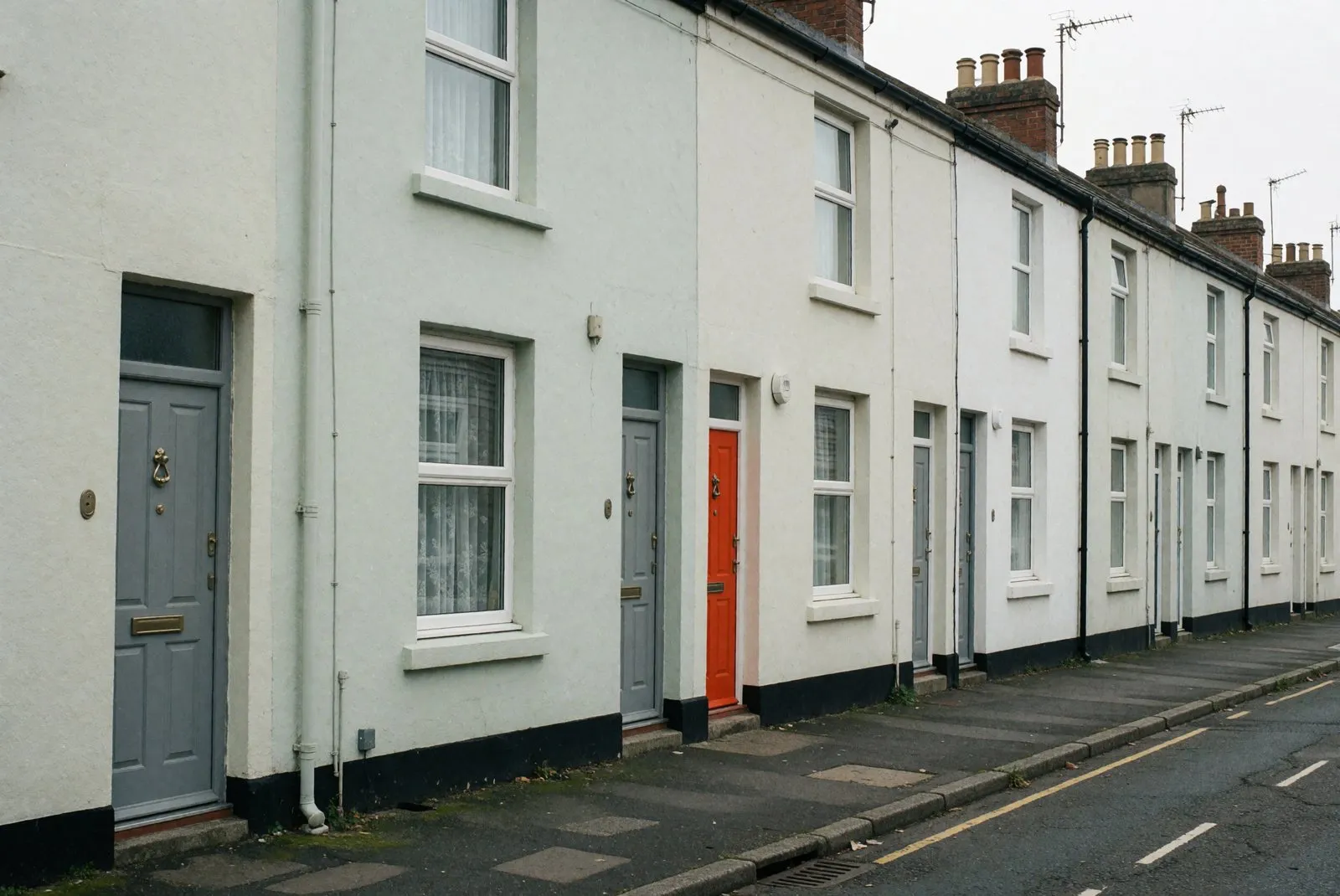
A website template is finished before anyone has met your business. That is not a complaint about whoever made it. It is simply how a template works, and everything that goes wrong with one follows from it.
The sections exist because the template has them
A template has to suit a bakery, a law firm and a garage at once. So it gets what suits everyone: a welcome, three benefits in cards, a few testimonials, a form. When you fill it with your content, the content bends to the slots that are already waiting. You have two real advantages and there are three cards, so you write a third.
A designed site is made in the opposite order. First comes the question a person arrives with, then the answer, and only at the end the layout that carries that answer.
The bakery a template knows nothing about
On our home page there is a slider with two versions of the same bakery's site. The template version welcomes visitors and assures them of a passion for baking. The designed version says the bread is out at six, gives the address and lists today's loaves with prices.
The difference is not in the colours. Someone looking for a bakery wants to know three things: where, when and what there is today. The template could not know that, because it was made for everyone. To write it, someone first had to ask the baker.
How to test your own site
Cover the logo and the company name on the first screen of your site. Then read what is left and ask one question: could your competitor have written the same thing?
If so, the site is about your trade, not about you. That can be fixed, and the fix usually starts not with a new look but with writing down what customers actually find out from you when they call.
Szablon strony powstaje, zanim ktokolwiek pozna Waszą firmę. To nie zarzut wobec jego autora. Tak po prostu działa szablon i z tego bierze się wszystko, co w nim zawodzi.
Sekcje są, bo są w szablonie
Szablon musi pasować piekarni, kancelarii i warsztatowi jednocześnie. Dostaje więc to, co pasuje każdemu: powitanie, trzy zalety w kafelkach, kilka opinii, formularz. Kiedy wypełniacie go swoją treścią, to treść dopasowuje się do miejsc, które już czekają. Macie dwie zalety, a kafelki są trzy, więc dopisujecie trzecią.
Strona zaprojektowana powstaje w odwrotnej kolejności. Najpierw jest pytanie, z którym człowiek na nią wchodzi, potem odpowiedź, a dopiero na końcu układ, który tę odpowiedź niesie.
Piekarnia, o której szablon nic nie wie
Na naszej stronie głównej jest suwak z dwiema wersjami strony tej samej piekarni. Wersja z szablonu wita gości i zapewnia o pasji do wypieków. Wersja zaprojektowana mówi, że chleb wychodzi o szóstej, podaje adres i dzisiejsze bochenki z cenami.
Różnica nie leży w kolorach. Ktoś, kto szuka piekarni, chce wiedzieć trzy rzeczy: gdzie, o której i co dziś jest. Szablon nie mógł tego wiedzieć, bo powstał dla wszystkich. Żeby to napisać, trzeba było najpierw zapytać piekarza.
Jak sprawdzić własną stronę
Zakryjcie logo i nazwę firmy na pierwszym ekranie swojej strony. Potem przeczytajcie to, co zostało, i zadajcie sobie jedno pytanie: czy to samo mógłby napisać Wasz konkurent?
Jeśli tak, strona mówi o branży, a nie o Was. To da się naprawić i zwykle nie zaczyna się od nowego wyglądu, tylko od spisania tego, czego klienci naprawdę się od Was dowiadują, kiedy dzwonią.